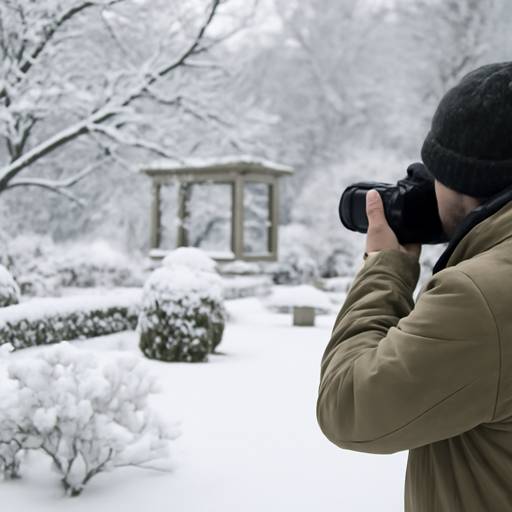
Discover the Magic: Why a Winter Garden Photographer Transforms Your Photos
What a winter garden photographer does and why specialized shoots matter
A winter garden photographer combines an eye for composition with knowledge of seasonal and botanical environments to create images that feel both intimate and timeless. Whether shooting in a greenhouse filled with tropical plants during the colder months or capturing couples and families in a municipal garden named Winter Garden, the job requires understanding how light, texture, and color behave in cooler seasons. Photographers who specialize in these settings know when to lean into muted winter palettes, when to find contrast with evergreen foliage, and how to make delicate details—like frost on a leaf or a bride’s lace—stand out.
Specialized garden shoots also demand logistical skills: selecting weatherproof gear, scouting micro-locations for shelter and background interest, and planning sessions around the best natural light. In winter, daylight hours are shorter and light quality shifts quickly; a specialist can maximize those brief golden-hour windows and adapt to overcast conditions that many generalists might see as limiting. This expertise is especially valuable for portraits, engagements, newborn sessions, and intimate weddings where environmental context enhances storytelling.
Clients who book a garden-focused photographer often want images that feel organic and place-specific. A pro will coordinate wardrobe suggestions, recommend props that complement plant palettes, and guide posing to work with garden features like arches, paths, and water elements. The result is a collection of photos that highlight emotion while celebrating the unique mood of a winter garden—whether that’s a sun-dappled greenhouse, a frost-kissed bedscape, or the historic streets and parks of a town called Winter Garden.
Techniques, gear, and lighting strategies for outstanding winter garden images
Successful winter garden photography rests on a foundation of technical choices matched to environmental conditions. Lenses with wide apertures (f/1.4–f/2.8) are invaluable for isolating subjects against busy botanical backgrounds while allowing low-light shooting without excessive ISO. Mid-range zooms give flexibility on winding paths or between planted beds, while a macro lens can capture intimate plant textures and delicate details like dew or frost. Weather-sealed camera bodies and protective gear are practical necessities for unpredictable winter weather.
Lighting strategy is equally important. In winter, the sun sits lower and often produces softer, more directional light—ideal for creating depth and mood. Photographers frequently use off-camera flash with soft modifiers to fill shadows without overpowering ambient tones, or reflectors to bounce warmer light onto faces when the sky is overcast. For greenhouse work, controlling mixed lighting (natural sunlight plus artificial grow lights) requires careful white balance management and sometimes creative gels to maintain consistent color rendering across images.
Compositional techniques adapt to the season too. Emphasizing leading lines—garden paths, fences, rows of trees—draws the eye while wide apertures separate the subject from cluttered backgrounds. Layering foreground interest like branches or ornamental grasses adds depth, and positioning subjects during golden hour yields flattering rim light and long, cinematic shadows. Post-processing often leans toward preserving natural greens and earth tones, selectively enhancing warmth in skin tones while retaining the cooler atmospheric qualities of winter scenes.
Service scenarios, local examples, and how to choose and book the right pro
Garden photographers serve a range of needs: engagement and wedding photography, family and newborn sessions, botanical editorial work, and product shoots for nurseries and garden centers. In towns with named locales—such as Winter Garden, FL—photographers often tailor packages around local landmarks like historic downtown streets, parks, trails, or lakeside settings. For greenhouse or conservatory shoots, they may coordinate with venue managers on permissions and timing to ensure exclusive access during peak light.
Consider these real-world scenarios: a couple wants engagement photos on the West Orange Trail at sunset, a family seeks frosty-morning portraits at a local park, or a bridal party requires coverage for an intimate winter ceremony surrounded by palms and potted palms inside a greenhouse. In each case, a specialist will propose timing, backup locations for rain or extreme cold, and creative concepts that match client personalities and wardrobe choices. They’ll also provide sample galleries so clients can visualize the final look.
When choosing a photographer, look for a portfolio that shows consistent work in garden or outdoor winter settings, client reviews that mention reliability and warmth during sessions, and clear information on pricing, deliverables, and licensing. Ask about contingency plans for weather and about how they handle permits for public gardens. To find a local expert quickly and see examples of tailored packages, consider searching for a trusted winter garden photographer who understands both seasonal light and local venues.

A Slovenian biochemist who decamped to Nairobi to run a wildlife DNA lab, Gregor riffs on gene editing, African tech accelerators, and barefoot trail-running biomechanics. He roasts his own coffee over campfires and keeps a GoPro strapped to his field microscope.